


-

Add: HeBei ShengShi HongBang Cellulose Technology CO.,LTD.
-

Email
13180486930@163.com -

CONTACT US
+86 13180486930
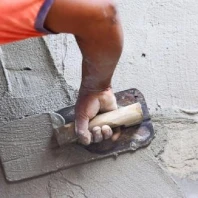
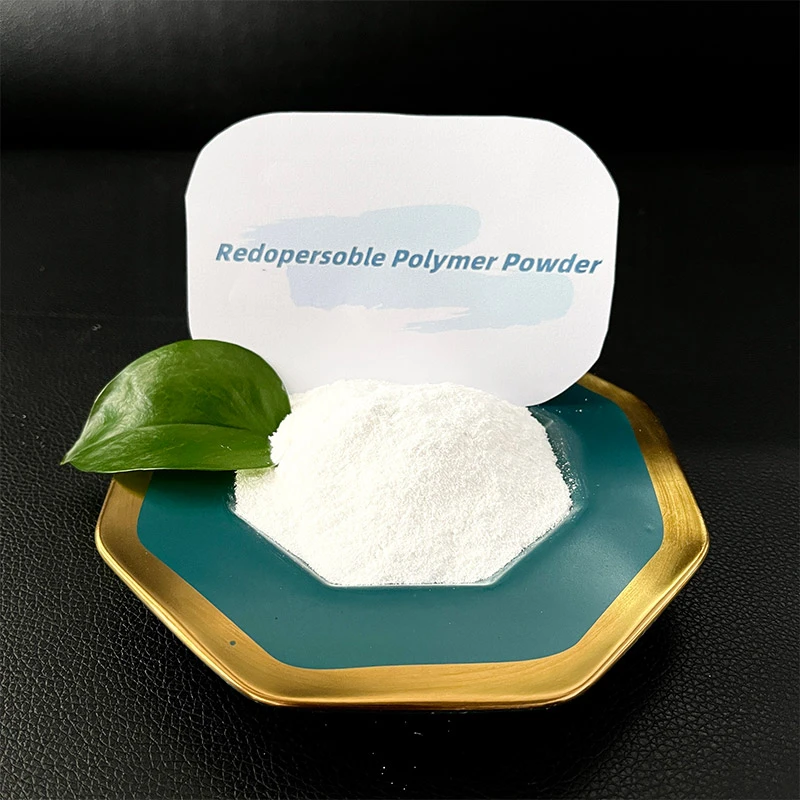


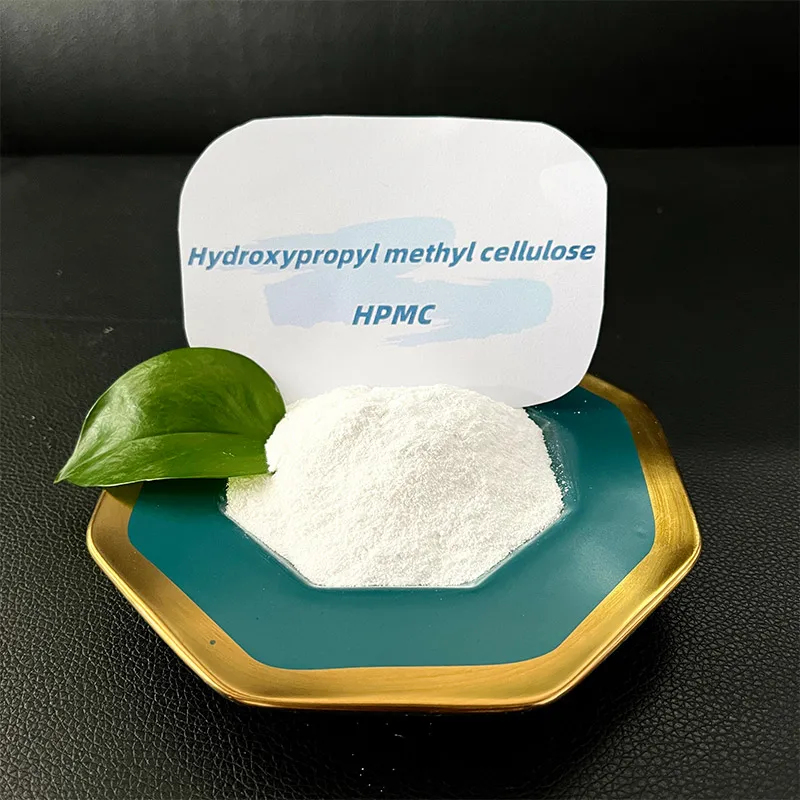
In the realm of pharmaceuticals and food industries, Hydroxypropyl Methylcellulose (HPMC) solution has emerged as a game-changer, known for its versatility and efficiency. As an expert with years of experience in product optimization, I can attest to the immense benefits this solution offers across various applications, maintaining a fine balance between performance and safety. Hydroxypropyl Methylcellulose is a water-soluble polymer widely used for its thickening, stabilizing, and film-forming properties. Derived from cellulose, it is extensively employed in the formulation of oral drug delivery systems. The unique properties of HPMC solutions make them indispensable for controlling the release rate of drugs, ensuring consistent therapeutic outcomes. Its ability to form a gel barrier when in contact with aqueous solutions is crucial for extended-release formulations, thereby enhancing patient compliance and efficacy. Furthermore, HPMC solutions are pivotal in the production of capsule shells . Their non-toxic nature and flexibility allow for the creation of capsules that are not only stable but also suitable for vegetarian and vegan users. The solution’s adaptability in different formulation environments underscores its authority in the pharmaceutical industry, being the go-to material for achieving optimal dissolution profiles and bioavailability. In the food industry, HPMC shines as a stabilizer and emulsifier. Its role in gluten-free products is particularly noteworthy. By improving the texture and mouthfeel of gluten-free baked goods, HPMC solutions bridge the gap between dietary restrictions and culinary satisfaction. Products maintain moisture and resist staling, ensuring consumers receive a product that meets both taste and quality expectations. When it comes to pre-mixed batters, its stabilization properties prevent separation, ensuring a uniform product that chefs and home cooks alike can trust. hpmc solution What sets HPMC apart from other compounds is its comprehensive safety profile. Regulatory bodies worldwide, including the FDA and EFSA, recognize its safety in various applications, which bolsters its credibility and consumer trust. The consistent quality control and rigorous testing it undergoes further cement its reliability and authoritative position in the market. For product developers and formulators, understanding the versatility of HPMC solutions is essential. Its application is not merely limited to its inherent properties but extends to innovative uses that continue to evolve. Being informed of the latest research and developments surrounding HPMC allows companies to harness its full potential, creating superior products that stand out in highly competitive markets. The market perception of HPMC as a solution is not just about its functional attributes, but also its alignment with global trends towards sustainability and plant-based alternatives. Its cellulose-derived nature ensures it is both biodegradable and renewable, resonating with eco-conscious consumers and industries striving for sustainable practices. Ultimately, the decision to incorporate HPMC solutions into product lines reflects a commitment to quality, efficiency, and innovation. Its proven track record across multiple industries is a testament to its invaluable role in enhancing product functionality and safety. Embracing HPMC means tapping into a legacy of trusted performance and looking towards a future of endless possibilities in product development.
- 40000tons

Production
- 20+years

Experience
- 5000+㎡

Acreage

-

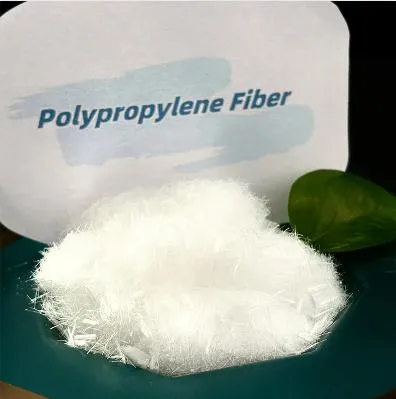
In recent years, polypropylene fiber for sale has gained significant traction as an essential additive in construction, particularly in the production of high-performance concrete. These fibers, made from a synthetic polymer, offer a wide range of benefits that improve the durability, strength, and performance of concrete structures. Whether you are constructing roads, buildings, or pavements, integrating polypropylene fiber for sale into your concrete mix can lead to superior results. The popularity of polypropylene fiber for sale has skyrocketed due to its cost-effectiveness and ability to enhance the physical properties of concrete. This type of fiber is known for its resistance to corrosion, reduced cracking, and improved overall flexibility. As an integral part of modern construction materials, polypropylene fiber for sale helps increase the longevity of concrete, reducing the need for frequent repairs or maintenance. In this article, we’ll explore the various uses of polypropylene fiber , how it improves pp fiber concrete , and the differences between fibre natural and synthetic fibers. The Role of Polypropylene Fiber in Concrete Applications Polypropylene fiber plays a crucial role in improving the structural integrity and performance of concrete. These fibers are incorporated into concrete mixtures to prevent cracking and improve the material's resistance to wear and tear. Polypropylene fiber works by distributing the stress throughout the concrete, thereby reducing the potential for cracking caused by shrinkage, thermal expansion, or external loads. When added to pp fiber concrete , these fibers enhance the overall toughness and impact resistance of the material, making it more resilient to sudden stresses, vibrations, and other environmental factors. Unlike traditional reinforcement methods, polypropylene fiber does not compromise the workability of the concrete but instead improves its flow and ease of application. The fibers help maintain uniformity and consistency in the mixture, ensuring that the concrete sets correctly and performs well over time. Whether you are working on residential, commercial, or infrastructure projects, the inclusion of polypropylene fiber in your concrete mix can lead to more durable and long-lasting results. It is especially useful in areas subject to frequent temperature fluctuations, freeze-thaw conditions, or high traffic, where concrete's performance is often tested. Benefits of Using PP Fiber Concrete in Modern Construction The use of pp fiber concrete is rapidly becoming a standard in modern construction due to its numerous advantages. PP fiber concrete refers to concrete that has been reinforced with polypropylene fibers, providing an added layer of protection and strength. This type of concrete has been shown to exhibit superior resistance to cracking, especially when exposed to shrinkage or tension stresses during the curing process. One of the key benefits of pp fiber concrete is its enhanced durability. The polypropylene fibers act as micro-reinforcements, which help distribute stress and absorb shock, significantly reducing the risk of cracks and improving the concrete's overall lifespan. This is particularly important in environments subject to heavy wear, such as highways, bridges, and industrial flooring. PP fiber concrete also has improved flexibility compared to traditional concrete, which allows it to handle dynamic forces without failing. Understanding Fibre Natural and Synthetic Variants When it comes to reinforcing materials, there are two primary categories of fibers: fibre natural and synthetic . Understanding the differences between these two types is crucial for selecting the right fiber for specific applications. Fibre natural fibers, such as those derived from plant sources like hemp, jute, and flax, are renewable and biodegradable, offering an eco-friendly alternative for construction applications. These fibers are primarily used in lightweight and non-structural concrete applications where sustainability and environmental impact are key concerns. However, fibre natural fibers generally have lower strength and durability compared to their synthetic counterparts, and they may be more susceptible to degradation in humid or wet environments. When it comes to pp fiber concrete , synthetic fibers like polypropylene fiber are the best option for enhancing performance, as they offer superior resistance to mechanical stresses and environmental conditions. Fibre natural fibers, while useful in some niche applications, do not provide the same level of performance and longevity as polypropylene fiber in concrete reinforcement. Polypropylene Fiber for Sale: Cost-Effectiveness and Availability If you are considering incorporating polypropylene fiber into your construction projects, polypropylene fiber for sale is widely available and cost-effective. The price of polypropylene fiber for sale is influenced by several factors, including the quality, quantity, and source of the material. However, despite these variables, polypropylene fiber for sale remains one of the most affordable options for reinforcing concrete, making it an attractive choice for contractors looking to improve concrete strength without raising project costs. Purchasing polypropylene fiber for sale in bulk or through trusted suppliers ensures that you get high-quality material at competitive prices. Whether you’re working on a large-scale infrastructure project or a smaller residential build, polypropylene fiber for sale can be an economical way to enhance the durability and performance of your concrete without breaking the budget. Given its long-lasting benefits and relatively low cost, polypropylene fiber for sale offers excellent value for money in both short- and long-term construction projects. P olypropylene fiber for sale , particularly in the form of pp fiber concrete , offers significant advantages in construction projects, making it an ideal choice for enhancing concrete durability, strength, and performance. The use of polypropylene fiber can improve the workability of concrete, reduce the risk of cracking, and extend the lifespan of structures. With its cost-effectiveness, superior resistance to environmental conditions, and availability in the market, polypropylene fiber for sale is an essential material for modern construction. Whether you are looking to strengthen your concrete or improve its overall performance, incorporating polypropylene fiber into your mix is a smart investment. By understanding the differences between fibre natural and synthetic fibers, you can make informed decisions about which reinforcement material best suits your needs. With the growing demand for durable, long-lasting construction materials, polypropylene fiber is quickly becoming a staple in the construction industry.
-
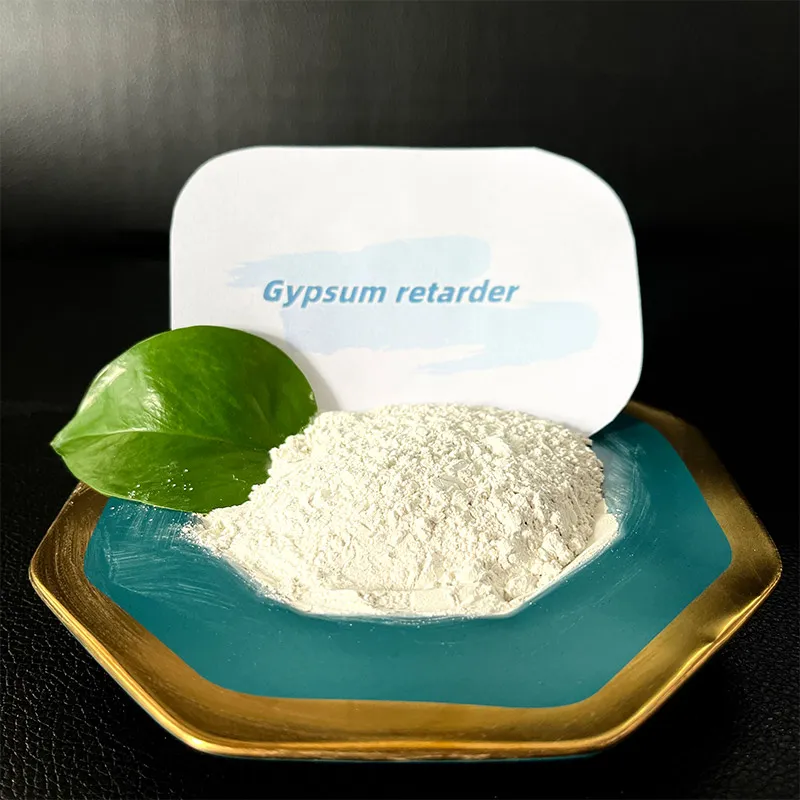
Hydroxypropyl Methylcellulose (HPMC) is a critical additive in the putty powder industry, playing a pivotal role in enhancing the product's performance and application efficiency. As construction demands evolve, the importance of premium-quality putty powder has intensified, with products like HPMC offering a competitive edge. Drawing from years of technical expertise and practical experience, I delve into the remarkable benefits and applications of HPMC in putty powder formulations. HPMC is renowned for its exceptional water retention properties, which are indispensable for quality putty powder. By ensuring prolonged moisture retention, HPMC allows for an extended open time, providing users with ample opportunity for application adjustments and refinements. This feature is particularly beneficial in diverse climatic conditions, where maintaining a consistent moisture level can be challenging yet crucial for a smooth, crack-free finish. In addition to moisture retention, HPMC significantly enhances the workability of putty powder . Its incorporation ensures ease of application, reducing drag and improving the spreadability of the compound across surfaces. This improvement in workability translates to a more uniform application, minimizing waste and ensuring a high-quality finish that professionals in the construction sector demand. Expert application is key to longevity and visual appeal in interior wall coatings, making HPMC a preferred choice for both contractors and DIY enthusiasts aiming for professional-grade results. Ensuring surface adhesion is another area where HPMC excels. It acts as a film-forming agent, enhancing the bond between the putty powder and substrate. This improved adhesion is critical in preventing detachment or flaking, common issues that compromise the durability of wall finishes. The expert formulations with HPMC provide robust adhesion, withstand environmental fluctuations, and adhere well to various substrates, making it versatile for numerous projects. hpmc for putty powder Moreover, HPMC enhances the rheological properties of putty powder, allowing for better leveling and sag resistance. A well-leveled surface is paramount for subsequent layers of paint or other finishes. The incorporation of HPMC imparts a thixotropic nature to the putty, enabling it to remain stable until shear force (such as brushing or troweling) is applied. Once the force is removed, the putty resumes its higher viscosity, preventing sagging and ensuring an even layer distribution. For professionals seeking reliability and durability in their wall preparations, HPMC in putty powder is the mark of quality. It delivers not only on immediate application benefits but also enhances the long-term durability of wall surfaces. Its impact resistance and flexibility further ensure that walls can withstand minor impacts and movements without compromising the integrity of the finish. Purchasing putty powder containing HPMC from reputable sources ensures authenticity and compliance with industry standards. Trustworthiness in the construction material supply chain is paramount, as counterfeit or inferior products can lead to substandard results. Partnering with credible suppliers who adhere to stringent quality controls is essential to leverage the full potential of HPMC-enhanced putty powder. In summary, the incorporation of HPMC into putty powder formulations is a testament to advanced technical expertise and industry requirements. Its multifaceted benefits underscore its indispensability in modern construction projects, providing solutions that enhance efficiency, aesthetics, and durability. With a focus on quality and performance, HPMC continues to stand out as a critical component in achieving superior wall preparation standards.
advantages
-

200000 Viscosities
Excellent product
We can produce pure products up to 200,000 viscosities
-

40000 tons
High yield
We don’t stop production all year round, and the annual output can reach 40,000 tons
-

24 hours
Quality service
We provide 24-hours online reception service, welcome to consult at any time
———— Inquiry Form
Schedule A services
-
 paggamit_ng_polypropylene_fiber
Oct . 25, 2025
Optimize your industrial solutions with fine rubber powder, nitrile rubber powder, and advanced prod - presyo_ng_pp_fiber
Oct . 25, 2025
Rubber Powder Production Line Revolutionizing Material Recycling In an era where sustainability and -
 hpmc_detergent
Oct . 25, 2025
In recent years, polypropylene fiber for sale has gained significant traction as an essential additi


